
Checkout and one-time payments
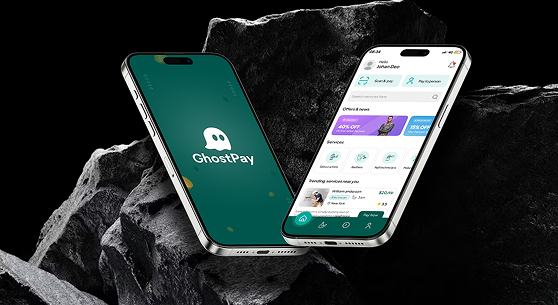
Card, wallet and local payment methods for websites and apps, with tokenized saved cards, receipts and clear error handling.
Secure Payment Integration Solutions
InfoSparkles provides secure payment integration for websites, mobile apps, marketplaces and SaaS platforms that need to take payments reliably and safely. We integrate payment gateways and build the payment flows around them, from checkout, saved cards and wallets to subscriptions, deposits, refunds, marketplace payouts and reconciliation, with card data handled by certified providers rather than your own servers.
Whether you are adding online payments for the first time, moving to a new gateway, launching in a new country or building a marketplace that must split payments between sellers, our team handles the full journey from payment design to development, testing, launch and long-term support. Payment integration is part of our wider enterprise systems and SaaS development practice, and we have been delivering software for clients in the UAE, Europe, Australia, the United Kingdom and the United States since 2014.
Secure payment integration is the work of connecting your website, app or platform to a payment provider so customers can pay safely, and building the flows around each payment: authorization, confirmation, receipts, refunds, payouts, reconciliation and reporting. Done well, sensitive card data never touches your servers, failures are handled gracefully and every payment can be traced from checkout to bank account.
A payment button is only the beginning. Real businesses need saved cards, deposits and balances, subscriptions that renew and retry, refunds and disputes, multiple currencies, different gateways in different countries and, for marketplaces, money split between the platform and its sellers. When these flows are built quickly, payments fail silently, reconciliation becomes manual and security gaps appear.
Payment systems serve several groups. Customers pay quickly with their preferred method and receive clear receipts. Finance teams reconcile payments, refunds and fees with bank deposits. Operations and support teams issue refunds and resolve payment issues. Sellers, partners or service providers on marketplaces receive their payouts on time.

There are several ways to integrate a payment provider, and each affects security scope, user experience and effort.
A hosted checkout sends customers to a payment page run by the provider. Embedded payment fields keep customers on your site or app while the provider collects card details in secure fields. A direct API integration gives full control of the payment experience but places more security responsibility on your systems. Manual invoicing and bank transfer remain common for large B2B payments.
| Approach | How it works | Best for |
|---|---|---|
| Hosted checkout | Customer pays on the provider's page | Fast, low-risk setups with standard checkout |
| Embedded payment fields | Provider's secure fields inside your site or app | Branded checkout with reduced security scope |
| Direct API integration | Your systems drive the full payment flow | Complex platforms with specific requirements |
| Invoicing and bank transfer | Customer pays an invoice | High-value B2B payments |
We usually recommend embedded payment fields or hosted checkout with tokenization, because they keep card data off your servers and reduce your PCI DSS scope.
Where Better Payments Pay Back. Well-built payment flows increase checkout conversion, reduce failed and abandoned payments, cut manual reconciliation time, lower fraud and chargeback losses and make it possible to sell in new countries and currencies.
Card data on your own servers. Storing or handling raw card numbers creates heavy security and compliance obligations. Tokenization through certified providers keeps card data off your systems.
Failed payments that nobody sees. Payments that fail without alerts lose revenue. Webhooks, retries and alerts make every failure visible and recoverable.
Manual reconciliation. Matching payments, refunds and fees to bank deposits by hand is slow. Automated reconciliation and payout reports save finance teams hours.
Complex marketplace payouts. Splitting money between the platform and sellers, holding funds and paying out on schedule is hard to build safely. Marketplace payment features handle onboarding, splits and payouts.
Subscription leakage. Expired cards and failed renewals quietly reduce recurring revenue. Smart retries, card updates and dunning messages recover more payments.
Limited local payment options. Customers in different countries expect different methods and currencies. Regional gateways and local payment methods improve conversion in each market.
Fraud and chargebacks. Fraudulent orders and disputes cost money and time. Strong customer authentication, fraud tools and clear evidence reduce losses.
Card, wallet and local payment methods for websites and apps, with tokenized saved cards, receipts and clear error handling.
Plans, trials, upgrades, proration, renewals, smart retries and customer self-service for SaaS and membership businesses.
Seller onboarding and verification, split payments, commissions, holds and scheduled payouts, linked to our commission and payout systems.
Customer wallets, top-ups, deposits and balance-based billing, such as per-minute or per-session charging.
Moving from one provider to another, or routing payments through different gateways by country, currency or method, with saved cards migrated where the providers support it.
Secure payments in iOS and Android apps built in Flutter by our mobile application development team, including Apple Pay and Google Pay where supported.
Fast checkout with cards, wallets and local methods, saved payment methods, strong customer authentication where required, clear confirmations and receipts and self-service for subscriptions and payment details.
A payment dashboard with transactions, refunds, disputes and payouts, automated reconciliation against payouts and bank deposits, exports for accounting and alerts for failed payments and disputes.
Webhook processing with retries and idempotency, multi-currency pricing, tax and invoice support, role-based access to payment actions and an API-first design that connects payments to your orders, bookings and accounting.
We integrate with established payment providers and the systems around them:
Providers such as Stripe, PayPal, Adyen, Checkout.com and Braintree for cards, wallets and local methods.
Regional providers such as Razorpay in India and gateways commonly used in the UAE, the United Kingdom, Europe and Australia, chosen during discovery.
Apple Pay and Google Pay where the provider and platform support them.
Provider features for seller onboarding, split payments and payouts, such as Stripe Connect.
Payments, refunds and fees posted to accounting software such as Xero, QuickBooks or Zoho Books and to our ERP development and integration work.
Provider fraud tools, plus email, SMS and WhatsApp receipts and alerts.
| Factor | Plug-in or no-code payment tool | Custom payment integration |
|---|---|---|
| Time to start | Fast | Weeks, depending on scope |
| Upfront cost | Low | Higher |
| Payment flows | Standard checkout | Deposits, wallets, subscriptions, splits and any mix |
| Fit with your platform | Limited to the plug-in's options | Built into your orders, bookings and accounts |
| Reconciliation | Basic reports | Automated matching with your systems |
| Ownership | Vendor plug-in | You own the code and the payment logic |
Plug-ins suit simple online stores with standard checkout. Custom integration makes more sense for marketplaces, subscriptions, wallets, multiple gateways or any platform where payments are part of the core product. For a wider view, read how custom software development helps businesses scale faster.
Cost depends on scope, and we provide a clear estimate after a short discovery phase. These factors have the biggest influence:
One-time payments are simpler than subscriptions, deposits, wallets and refunds together.
Seller onboarding, split payments and payouts add significant logic and testing.
Each additional gateway, currency or local payment method adds work.
Automated reconciliation, dashboards and accounting exports extend the build.
Web, iOS and Android payment flows each need their own implementation and testing.
Most clients start with their main payment flow on one gateway, then add methods, countries and features in phases. Tell us how you take payments today and we will send a free, no-obligation estimate.
A standard checkout integration with one gateway typically takes around two to four weeks. Subscriptions, wallets, multiple gateways or full marketplace payments with seller onboarding, payouts and reconciliation usually take two to four months or more, delivered in phases.
We map your products, prices, payment methods, countries, refunds and payouts, and choose the right providers and integration approach.
Our architects design secure, traceable payment flows, while our UI and UX design team designs a fast, clear checkout.
We build in short sprints with regular demos, using the provider's test environment throughout.
We test successful, failed, disputed, refunded and retried payments, webhooks, currencies and edge cases before any live transaction.
We switch to live mode on infrastructure managed through our cloud and DevOps services and monitor the first live payments closely.
We maintain integrations, apply provider updates and add methods, countries and features as you grow.
We choose technology for reliability, security and traceability. Final choices are confirmed during discovery.
Frontend
 React
 Next.js
 Vue
 Angular
Backend
 Node.js
 Python
 PHP
Mobile
 Flutter for iOS and Android
Data and caching
 PostgreSQL
 MySQL
 MongoDB
 Redis
Cloud
 AWS
 Microsoft Azure
Payments
 Stripe
 PayPal
 Razorpay
 Regional gateways
Integrations
 Accounting
 ERP
 E-commerce
Card data stays with certified providers. Tokenization and provider-hosted fields keep card numbers off your servers, which reduces your PCI DSS scope.
Strong customer authentication. 3-D Secure and other authentication steps are applied where regulations or risk require them.
Data protection. Customer data is encrypted in transit and at rest, and systems are designed to support GDPR, UK GDPR, the UAE Personal Data Protection Law, CCPA and CPRA and the Privacy Act 1988 in Australia.
Verified webhooks and audit trails. Provider events are signature-checked, processed once and logged, and refunds and payouts are restricted to authorized roles.
We add AI where it reduces losses and manual work: fraud and risk signals that flag unusual orders for review alongside the provider's tools; smart retry timing for failed subscription payments; reconciliation assistance that matches unusual payments and payouts; dispute evidence preparation that gathers order and delivery records; and payment insights that explain trends in plain language. These capabilities are part of our wider AI-driven automation services.
Built So Every Payment Is Safe, Traceable and Reconciled
10+ years of custom software development experience
Card data kept off your servers by design
Subscriptions, wallets and marketplace payouts

Global and regional payment gateways
Transparent communication and project delivery
Long-term support and continuous optimization
We don't just add a payment button. We build payment flows your customers and finance team can trust.
Secure payment integration connects your website, app or platform to a payment provider and builds the flows around each payment, including authorization, receipts, refunds, payouts and reconciliation, while card data is handled by certified providers.
We integrate global providers such as Stripe, PayPal, Adyen, Checkout.com and Braintree, as well as regional gateways such as Razorpay. We help you choose providers based on your countries, currencies and payment methods.
Any business that takes card payments has PCI DSS responsibilities. Using tokenization and provider-hosted payment fields keeps card data off your servers and significantly reduces your compliance scope. Your provider and acquirer confirm the exact requirements for your business.
Yes. We build seller onboarding, split payments, commissions, holds and scheduled payouts using provider features such as Stripe Connect.
Yes. We build plans, trials, upgrades, renewals, smart retries and customer self-service, with alerts for failed payments.
Yes. We plan and run gateway migrations, including saved card migration where both providers support it, with testing before switching live traffic.
Cost depends on your payment flows, marketplace features, number of gateways and countries, reconciliation needs and platforms. We provide a free estimate after a short discovery conversation.
A standard checkout with one gateway typically takes around two to four weeks. Subscriptions, wallets, multiple gateways or full marketplace payments usually take two to four months or more.
Yes. We provide monitoring, maintenance, provider updates and new payment methods and features after launch.
Case Study
Whether you are adding payments for the first time, moving to a new gateway or building marketplace payouts, we are ready to help. Tell us how you take payments today, and we will recommend the right providers, flows and a realistic plan to launch.